In the complex and high-pressure environment of modern oilfield drilling, the precision of cementing operations is the defining factor for the long-term success of a well. The cementing stage is a critical turning point where the structural integrity of the well is solidified, and at the heart of this process lies the cement head oilfield equipment. This specialized tool is not merely an accessory; it is the primary control interface for managing the delivery of cementing plugs and fluid circulation, ensuring that the wellbore is properly sealed against geological pressures and fluid migration.
As drilling projects move into deeper, more challenging reservoirs, the reliance on high-performance cementing tools has never been greater. Whether you are working on massive offshore exploration or standard land-based drilling, the equipment used during the cementing process directly impacts the environmental safety and economic output of the well.
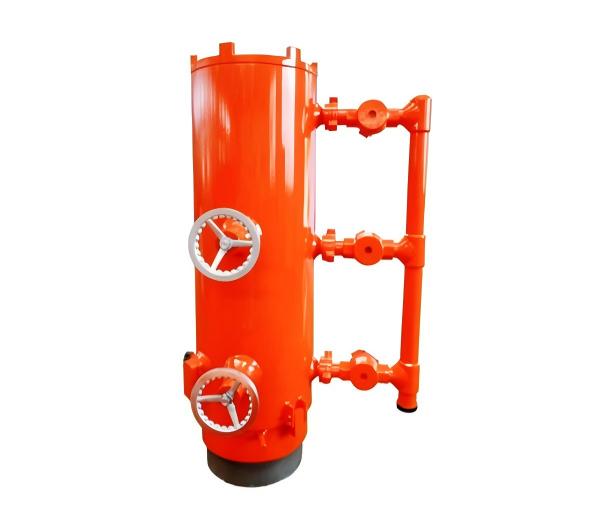
A cement head is a precision-engineered tool designed to hold a cementing plug before it is released into the casing string during a cementing operation. The primary function of this cement head oilfield tool is to act as a staging and release mechanism that ensures the correct sequence of fluid placement.
In most industrial cementing operations, the process follows a specific, strictly timed sequence:
Bottom Plug Launching: Before the spacer or cement slurry is pumped, a bottom plug is launched to separate the drilling fluid from the cement slurry.
Cement Slurry Displacement: The cement slurry is then pumped down the casing, followed by the spacer fluid if required.
Top Plug Release: Once the correct volume of cement has been pumped, the top plug is released from the cement head to separate the cement from the displacement fluid.
A critical feature of the modern cement head is the integrated manifold assembly, which allows for a secure connection to a fluid circulation line. This design ensures that the entire process remains closed, preventing contamination and maintaining pressure control throughout the operation.
The versatility of cement head oilfield equipment is reflected in the diverse configurations required for different well designs. Modern drilling demands tools that are not only robust but also precisely sized to match casing dimensions.
Saigao manufactures both single plug and double plug types of cementing heads, providing flexibility for varying operational requirements. The technical specifications are designed to ensure compatibility with standard industry casing sizes:
| Specification Category | Details |
|---|---|
| Available Sizes | 4 ½” to 13 3/8” |
| Plug Configurations | Single Plug & Double Plug |
| Key Accessories | Circulating Head, Circulating Swage, Clamp Type Head |
| Primary Material | High-grade steel alloy for oilfield durability |
From drill pipe single plug variants to specialized clamp-type assemblies, these tools are built to handle the mechanical stresses of the casing string and the high-pressure fluid pulses inherent in cementing.
Well integrity is the foundation of successful oilfield management. If a cementing operation fails, it can lead to hazardous fluid migration behind the casing, environmental risks, and the potential for a complete loss of the well. Reliable cement head oilfield tools are the first line of defense against these risks.
When a cementing head is engineered with precision, it minimizes the risk of plug hang-ups, misaligned releases, or pressure leaks at the connection point. Reliable cementing tools also provide:
Operational Consistency: Reducing the human error factor during the crucial moments of plug release.
Pressure Management: Ensuring that the circulation line remains stable even under high pumping pressures.
Wellbore Longevity: By ensuring a perfect cement job, these tools help prevent long-term casing corrosion and ensure the well remains productive for its expected lifecycle.
Investing in high-quality equipment is a strategic decision that pays for itself by avoiding the multi-million dollar cost of remedial cementing or well abandonment.
To ensure the long-term reliability of your cement head oilfield equipment, implementing a consistent maintenance routine is essential. The harsh environment of an oilfield—characterized by high temperatures, abrasive fluids, and high-pressure cycles—demands more than just occasional inspection.
Regular maintenance should include a thorough examination of the manifold connections and circulation lines for any signs of erosion or internal pitting, which can be accelerated by the abrasive nature of cement slurry. It is equally important to inspect the plug release mechanism to ensure that the release pins or trigger systems operate without resistance or "sticking" moments before an operation begins.
Operators should also focus on the condition of the seals and internal surfaces of the head; any damage to the internal bore can prevent a perfect seal when the plugs are launched, leading to bypass. Routine lubrication of all moving parts within the cement head assembly is vital to prevent mechanical seizure. By proactively identifying wear and performing preventative cleaning of the head after every cementing cycle, you significantly extend the operational life of the tool, ensuring it remains ready for the next critical cementing job.
At Saigao, we understand that oilfield drilling challenges are non-stop, and our equipment is designed to match that intensity. Our cementing heads are engineered with high-quality materials and a robust construction that ensures longevity even in the most demanding, harsh oilfield environments.
By choosing Saigao, you are investing in tools that:
Reduce Equipment Failure Risks: Our design prioritizes structural integrity to withstand high-pressure spikes.
Minimize Downtime: Efficient, well-designed tools lead to smoother operations, saving you valuable rig time during critical cementing stages.
Enhance Well Integrity: Our equipment enables precise, efficient, and safe operations that meet the requirements of modern oilfield drilling.
For a full breakdown of our available models and technical documentation, we invite you to browse our comprehensive product catalog. Our team is dedicated to supporting your drilling projects with the exact specifications you require. If you have specific operational needs or require a custom solution, contact our team today for a direct consultation and professional support.
The selection of high-performance cement head oilfield equipment is a pivotal choice for any drilling professional. As we have explored, these tools are central to ensuring that cementing operations are executed with the necessary precision to maintain well integrity and operational safety. By understanding the mechanical function, selecting the correct type for your casing size, and adhering to strict maintenance protocols, you can maximize the performance of your cementing systems. Saigao remains committed to providing the robust, durable engineering solutions necessary to meet the evolving challenges of the global oil and gas industry.
1. What is the primary purpose of a cement head in an oilfield?
The cement head is used to hold cementing plugs and release them at the precise moment during the cementing operation to ensure effective cement slurry placement.
2. Does Saigao offer different sizes of cement heads?
Yes, Saigao manufactures cementing heads in sizes ranging from 4 ½” to 13 3/8” to accommodate a wide variety of casing strings.
3. What is the difference between a single plug and double plug cement head?
The choice depends on the specific cementing job requirements; double plug systems are typically used for more complex cementing operations requiring dual-stage separation of slurry and displacement fluids.
4. How does a well-maintained cement head improve well integrity?
Properly maintained equipment ensures reliable plug release and tight seal connections, which prevents fluid contamination and ensures the cement slurry creates a uniform, leak-free barrier around the casing.


 English
  日本語
日本語  français
  Español
  русский
  português
  العربية
  tiếng việt
  ไทย
ไทย  Polska
  română