In the demanding world of oil and gas exploration, fluid control systems are the backbone of operational safety and efficiency. Among the most critical components in these systems is the taper plug valve. Engineered to withstand extreme pressures and corrosive environments, these valves provide the reliability that engineers and procurement managers demand for high-stakes projects.
Whether you are managing water well drilling, shale gas extraction, or complex pipeline operations, understanding the nuances of your flow control hardware is essential. This guide explores the technical capabilities of these components and why they remain a preferred choice for heavy-duty industrial applications.
A taper plug valve is a rotary motion valve that uses a tapered, plug-shaped closure member to control the flow of media. By rotating the plug 90 degrees, the valve can transition from fully open to fully closed, effectively shutting off the passage or shunting flow between channels.
Unlike standard ball valves, the tapered plug valve relies on its unique geometry to create a robust seal. The plug body is machined into a conical shape, creating a precise sealing pair with the interior of the valve body. This design is particularly favored in high-pressure scenarios where traditional seals might fail, as the structure is inherently stable and efficient.
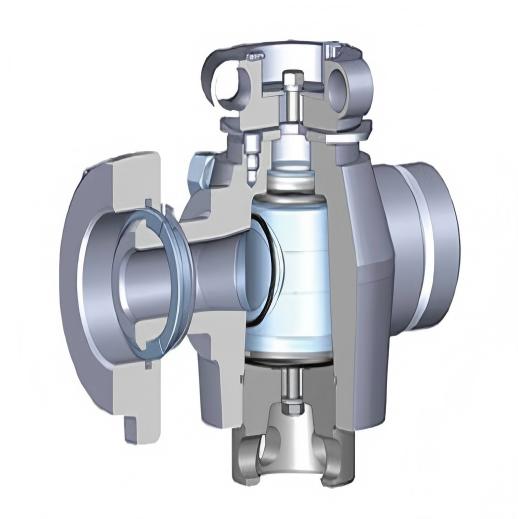
The superior performance of a taper plug valve lies in its mechanical interaction. Because the valve plug is conical, the leakage gap can be meticulously adjusted by pressing the plug deeper into the valve seat.
The operational sequence often involves a three-step movement:
Lifting: Before rotation, the plug is slightly lifted from the seat to reduce friction and wear.
Rotating: The plug rotates 90 degrees to align or misalign the passages.
Sealing: The plug is pressed back into the seat to establish a tight, leak-proof connection.
This mechanism allows the valve to handle high-pressure differentials while minimizing erosion on the sealing surfaces, which is critical when handling abrasive drilling muds or high-pressure gas.
When operating in fields like petroleum, natural gas, or coal mine drainage, equipment failure is not an option. A high-quality tapered plug valve offers distinct advantages for these challenging conditions:
Exceptional Pressure Resistance: With capabilities ranging from 2,000 psi up to 15,000 psi, these valves are built for the most aggressive high-pressure environments.
Versatility in Media: Whether the fluid is thick slurry, cement mortar, or gaseous hydrocarbons, the tapered design provides a consistent, reliable shut-off.
Thermal Resilience: Designed to operate within a temperature range of –75 degrees Fahrenheit to +250 degrees Fahrenheit, they ensure operational stability in both Arctic cold and high-heat industrial settings.
Structural Integrity: The robust construction reduces the likelihood of structural fatigue compared to more complex valve designs.
| Feature | Specification Range |
|---|---|
| Nominal Bore | 1 inch to 3 inches |
| Working Pressure | 2000 psi to 15000 psi |
| Temperature Range | -75 degrees F to +250 degrees F |
| Material Grades | AA, BB, CC, DD, EE, FF, HH |
| Specification Level | PSL1 to PSL3G |
| Performance Level | PR1 to PR2 |
Selecting the correct taper plug valve is not just about size; it is about matching the valve’s material and performance level to your specific geological and chemical environment.
Assess the Pressure Requirement: Ensure the PSI rating aligns with your pump output and system capacity. Never undersize a valve in a high-pressure line.
Verify Material Compatibility: Choose the appropriate material grade (from AA to HH) based on the corrosiveness of the media. For instance, sour gas environments require different metallurgy than standard water well applications.
Check API Standards: Always prioritize valves that meet PSL1 to PSL3G specification levels to guarantee they meet global safety standards.
For a complete overview of available configurations and hardware, please visit our full product catalog.
To ensure the long-term reliability of your tapered plug valve, implementing a consistent maintenance routine is essential. Periodic inspections should be conducted to check the sealing surfaces for any early signs of erosion or pitting, which is particularly important if the valve is frequently used for throttling applications. Proper lubrication of the plug seat is also critical, as it facilitates the smooth execution of the lift-rotate-press action, preventing unnecessary mechanical strain. Furthermore, the tapered design provides a significant maintenance advantage; if you notice a minor leak over time, you can often re-seat the plug to restore the seal, significantly extending the service life of the valve compared to non-adjustable alternatives.
At Saigao Group, we understand that your projects—from shale gas exploration to large-scale infrastructure construction—rely on equipment that doesn't quit. We combine over 300 sets of advanced processing and auxiliary equipment, including CNC lathes and machining centers, to produce valves that meet the highest international standards.
Our commitment to innovation is backed by a provincial-level technical center and specialized detection facilities for mud pumps and fluid control hardware. When you choose a taper plug valve from Saigao, you are choosing a partner dedicated to the "Customer is first; Quality is first" philosophy.
Ready to equip your next project with industry-leading flow control technology? Our team of experts is ready to assist you with custom specifications and technical support. Contact us today for a consultation.
The taper plug valve remains a vital piece of infrastructure for any high-pressure industrial operation. Its unique ability to provide a tight, adjustable seal, combined with its resilience in extreme temperature and pressure environments, makes it a superior choice for professionals. By prioritizing quality manufacturing and correct technical specification, you can ensure your systems operate with maximum efficiency and safety. Saigao Group stands ready to provide the high-performance solutions your business needs to excel.
1. What is the main advantage of a tapered plug valve over a ball valve?
The tapered plug valve offers a unique ability to adjust the sealing gap by pressing the plug into the seat, providing more reliable sealing in high-pressure and abrasive service conditions.
2. Can a taper plug valve be used for throttling?
Yes, depending on the erosion resistance of the sealing surface and the specific properties of the media, these valves can be used for throttling, though they are primarily designed for cutting and closing functions.
3. What pressure range can these valves handle?
The valves described in our specifications are engineered to handle working pressures ranging from 2,000 psi to 15,000 psi, making them suitable for heavy-duty oil and gas operations.
4. How does the "lift-rotate-press" mechanism help the valve?
This mechanical sequence helps minimize friction and wear on the sealing surfaces, significantly extending the operational lifespan of the valve compared to designs that rotate while under high seat pressure.
5. How do I choose the right material grade for my valve?
Material selection (AA through HH) should be based on the chemical nature of your fluid—such as H2S content or acidity—and the environmental conditions of the extraction site.


 English
  日本語
日本語  français
  Español
  русский
  português
  العربية
  tiếng việt
  ไทย
ไทย  Polska
  română